
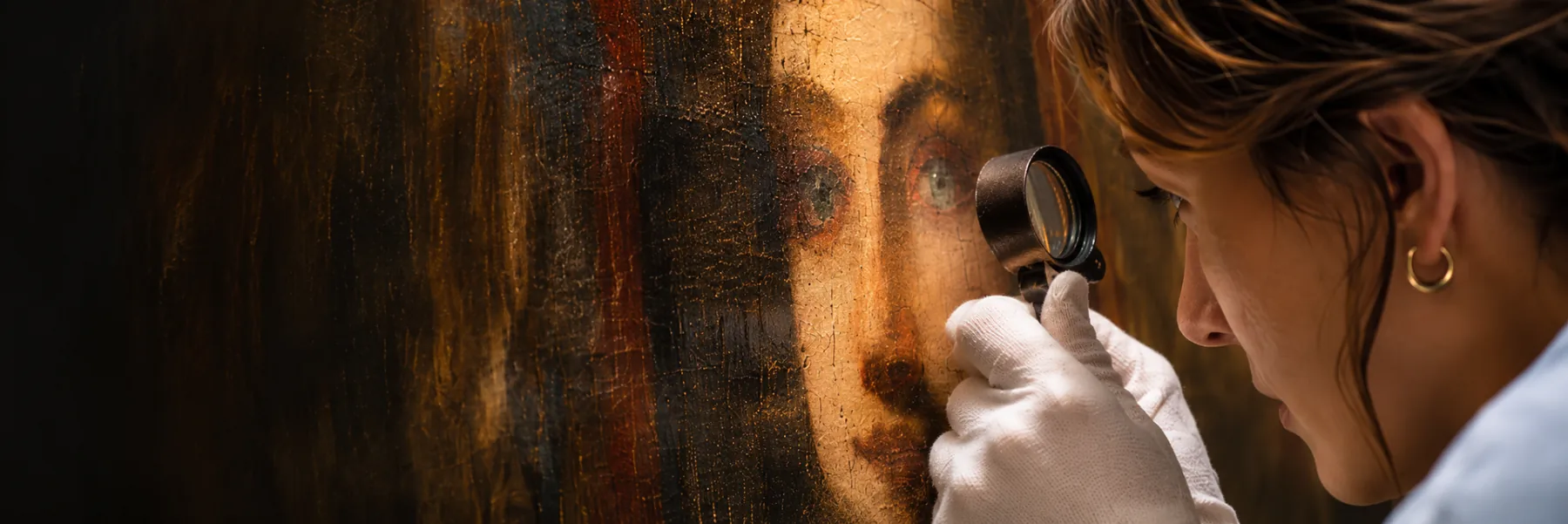
STUDIO SERAAI JOURNAL ART & CULTURE
The Art of Deception
Inside the Hidden World of Art Forgeries
Editorial Feature • Art, authentication & collecting
What makes a masterpiece authentic? Is it the artist's signature, the history it carries, or the story we choose to believe? Behind the beauty of the art world lies a fascinating history of imitation, deception, and the relentless pursuit of truth.
There is something extraordinary about standing before a work of art. A painting can transport us across centuries, introduce us to a stranger's imagination, or reveal something about ourselves that words cannot quite express.
But imagine discovering that the masterpiece you have admired for years was never painted by the artist whose name it bears.
The brushstrokes are convincing. The colours feel familiar. The signature appears genuine. There is even documentation tracing its supposed history.
And yet, the painting is a forgery.
Art forgery is one of the most intriguing contradictions in the creative world. It demands remarkable artistic skill, often an intimate understanding of art history, and sometimes years of preparation. But its purpose is not artistic expression. It is deception.
For collectors, galleries, and museums, the consequences extend beyond financial loss. A forgery challenges the very foundations upon which the art world operates: authorship, provenance, cultural significance, and trust.
When the Museum Itself Is Deceived
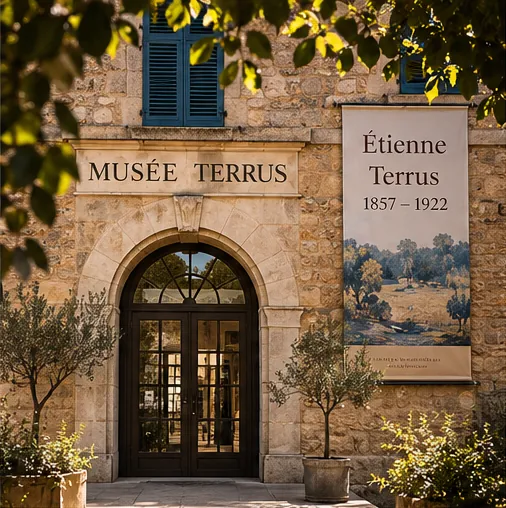
In April 2018, a remarkable revelation emerged from the small French town of Elne.
The Musée Terrus, dedicated to the painter Étienne Terrus, had discovered that 82 of the 140 works in its collection were not authentic works by the artist.
Nearly 59% of a museum devoted to one painter had been compromised.
The discovery followed concerns raised by art historian Eric Forcada, who noticed inconsistencies in works attributed to Terrus. Some employed materials that did not correspond with the artist's known practice. Others contained architectural details that appeared only after his death in 1922.
In one particularly revealing instance, a suspicious signature reportedly came away when touched with a white glove.
The scandal demonstrated an uncomfortable truth: institutional reputation alone cannot establish authenticity.
Even museums, with access to historians, conservators, and archival resources, can encounter sophisticated or persistent misattribution.
It also revealed something deeper. The value of these paintings had been shaped not simply by their appearance but by the belief that they belonged to a particular artist's legacy.
When that belief collapsed, so did an essential part of their meaning.
Why Do We Value the Original?
Consider two paintings that appear visually identical.
One was created by a celebrated artist. The other was meticulously reproduced by an unknown painter.
Why might one command an extraordinary price while the other possesses relatively modest market value?
The answer lies in the distinction between visual resemblance and artistic authorship.
An original work is more than an arrangement of pigments on a surface. It is a physical record of an artist's decisions, techniques, circumstances, and creative journey.
Its authenticity connects the viewer to the person who made it and the historical moment in which it was created.
A reproduction can be beautiful. A study inspired by a master can demonstrate considerable talent. Neither is inherently dishonest when presented truthfully.
The deception begins when a work is deliberately represented as something it is not.
A reproduction celebrates an artwork. A forgery attempts to replace its identity.
This distinction matters particularly in contemporary collecting, where artworks may be purchased directly from living artists, through galleries, from secondary-market dealers, or through online platforms.
The buyer is not simply acquiring an image. They are acquiring a work with a particular authorship, history, and identity.
The Forger Who Fooled the Experts
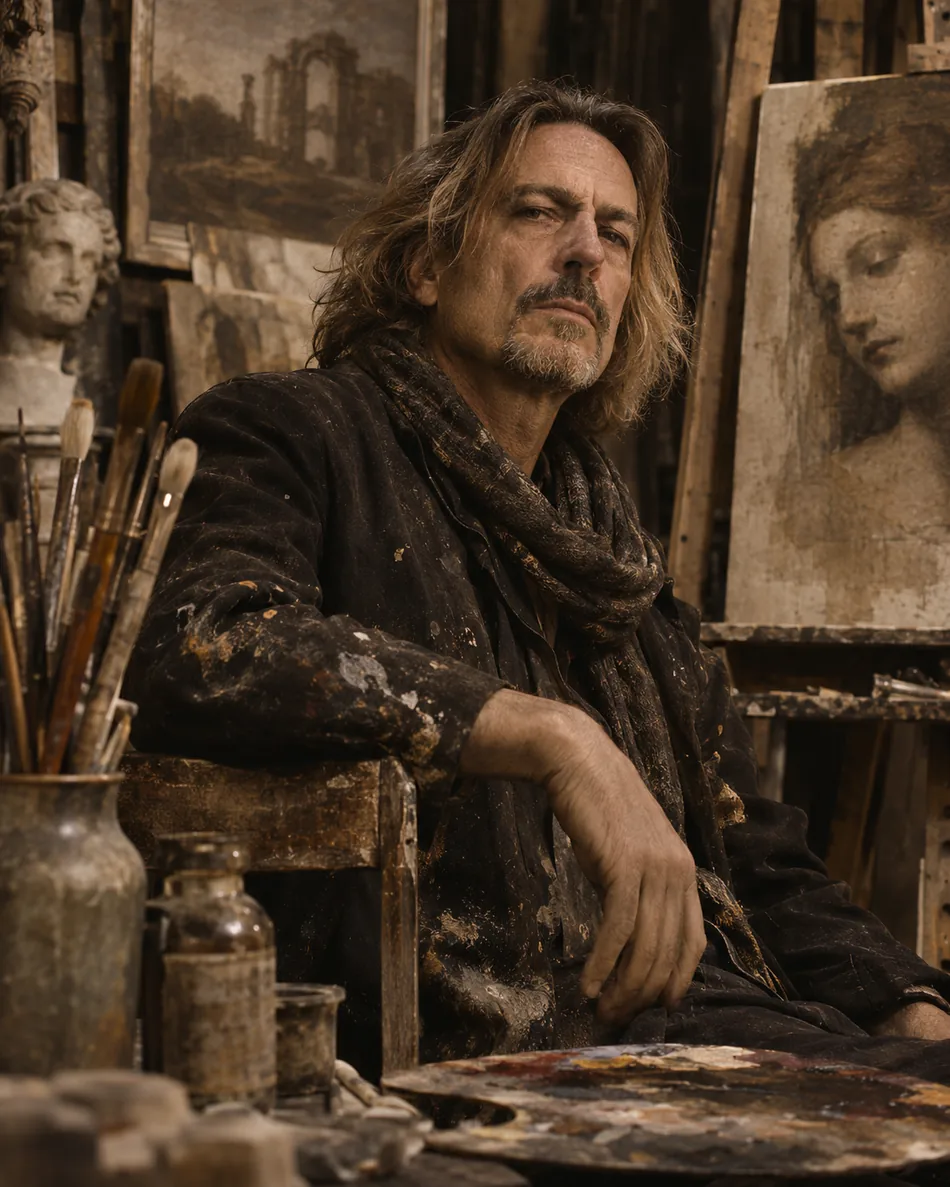
Among the most notorious figures in modern art forgery is Wolfgang Beltracchi.
Rather than concentrating exclusively on copying famous paintings, Beltracchi created works that appeared to belong to established artists' bodies of work. His fabricated paintings were supported by invented histories and convincing narratives of rediscovery.
The deception was sophisticated because it operated on several levels simultaneously: visual style, historical plausibility, and supposed provenance.
Yet the materials ultimately told a different story.
Scientific investigations into paintings connected with the Beltracchi scandal identified pigments inconsistent with their claimed dates of creation, including titanium white and phthalocyanine pigments.
Such discoveries illustrated the limits of visual expertise alone.
A painting can successfully imitate the appearance of an earlier period while containing materials that reveal a much later origin.
And sometimes, the smallest chemical detail can undermine an otherwise convincing historical narrative.
The Science Beneath the Surface
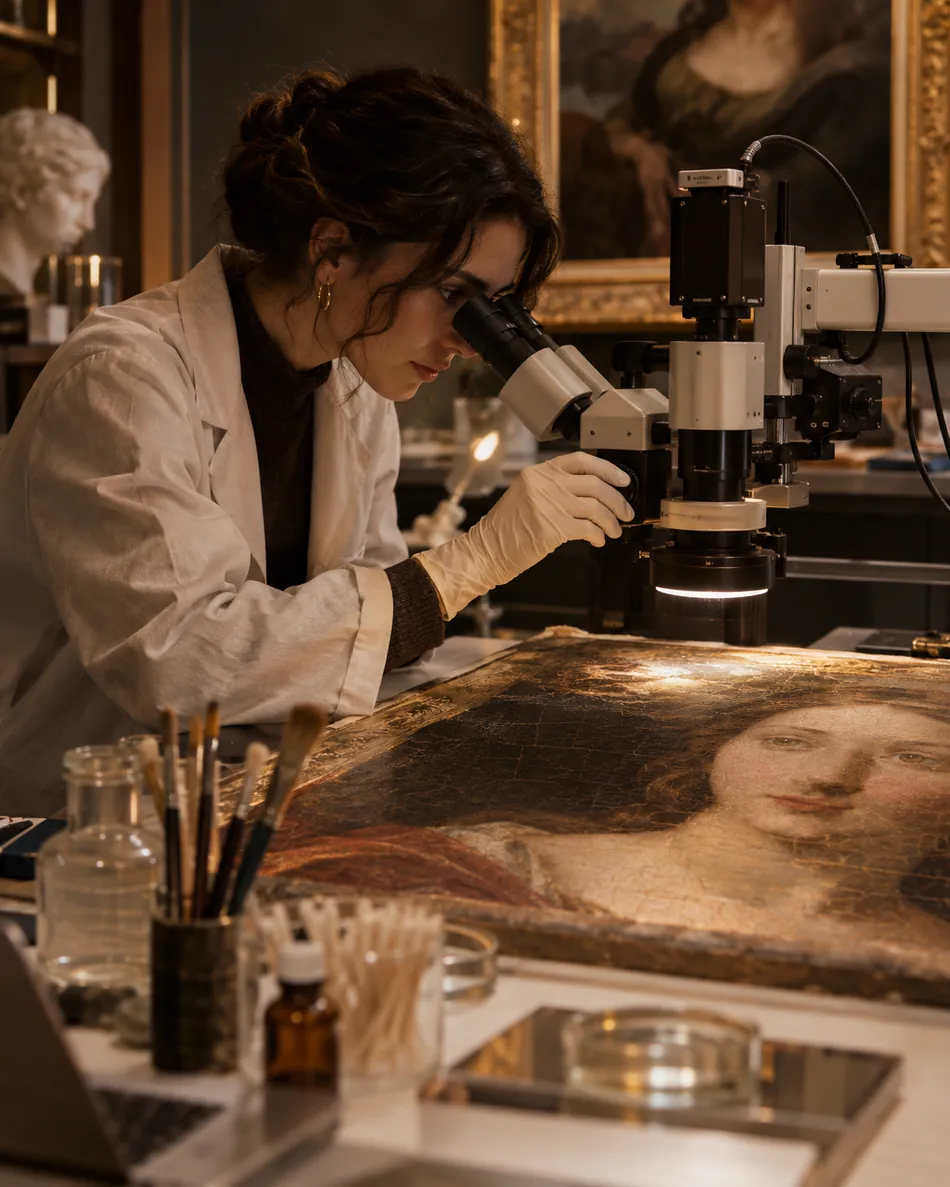
Today, art authentication brings together several disciplines, including art history, conservation, archival research, and scientific analysis.
A trained specialist may examine how an artist constructed a composition, handled colour, applied paint, or prepared a surface.
Scientific investigations can offer additional evidence.
X-ray fluorescence (XRF) helps researchers identify chemical elements associated with pigments and other materials. These findings can indicate whether a painting's composition is compatible with its claimed period.
Infrared imaging and reflectography can reveal certain concealed features, including underdrawings and changes made during the creative process, depending on the materials involved.
Raman and infrared spectroscopy can help identify particular pigments, binders, and other compounds.
Such techniques are valuable because materials have histories of their own.
If a pigment was not commercially available until decades after an artist's death, its presence in an original paint layer raises serious questions about the attribution.
However, scientific analysis is rarely a simple yes-or-no verdict. Later restoration, contamination, and variations in materials must also be considered.
The strongest authentication assessments combine technical findings with documentary evidence and informed historical judgment.
Provenance: The Biography of an Artwork
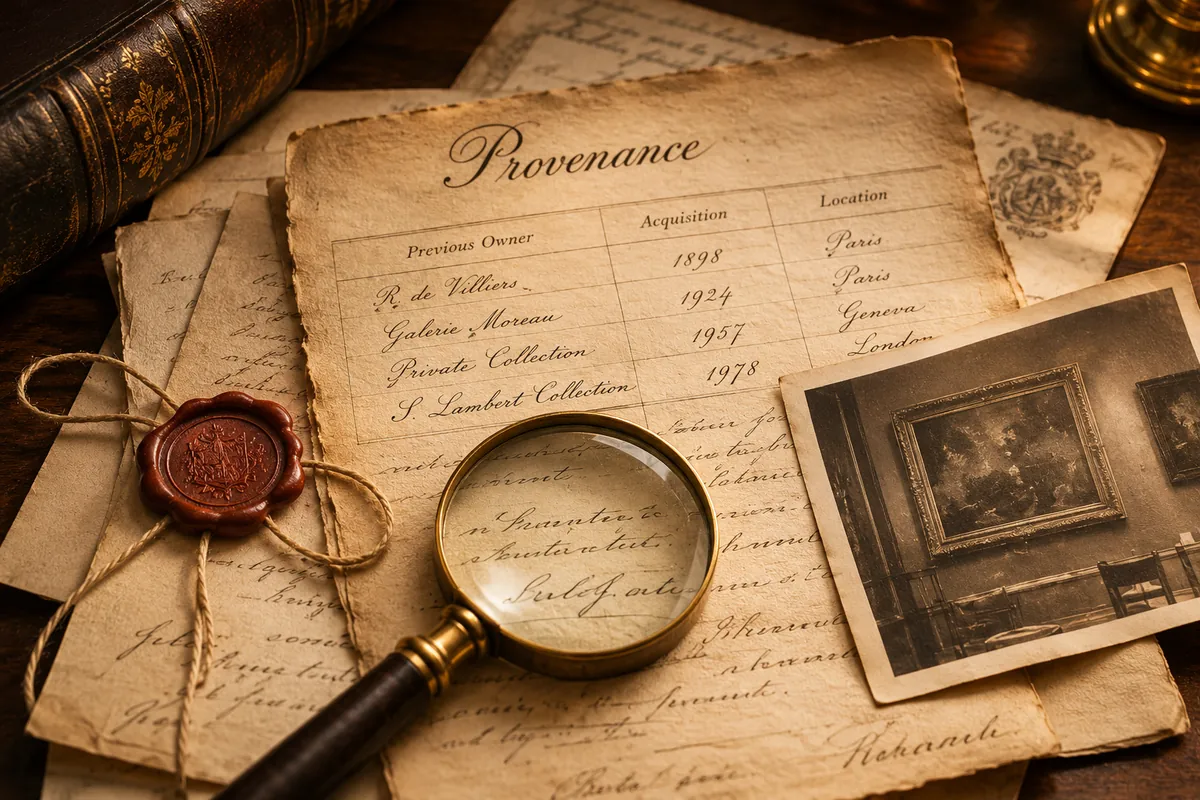
Every artwork has two histories.
The first is the story represented on its surface.
The second is the story of its existence: where it was created, who owned it, where it travelled, and how it eventually entered a collection.
This second history is known as provenance.
It can be reconstructed through invoices, archival correspondence, auction records, exhibition catalogues, old photographs, collection inventories, and physical markings on the artwork.
For established historical artists, researchers may also consult a catalogue raisonné — a scholarly catalogue intended to document an artist's known works.
But provenance is not always complete.
Paintings change hands privately. Records disappear. Collections are inherited, divided, or sold. An undocumented period does not automatically make an artwork fraudulent.
The important distinction is between an understandable absence of evidence and a history containing demonstrable contradictions.
Provenance documents can themselves be fabricated.
In a case investigated by the FBI, American dealer Eric Spoutz used forged documents to support the sale of falsely attributed artworks associated with major twentieth-century artists. His scheme demonstrated how paperwork, rather than the painting alone, can become a tool of deception.
A certificate of authenticity should therefore be treated as evidence to examine, not an unquestionable guarantee.
Its reliability depends on who issued it, the authority of that person or institution, and whether the information can be independently verified.
The Collector's Eye: What Deserves a Closer Look?
A collector does not need to become a forensic scientist to ask informed questions.
The first consideration is context.
An extraordinary attribution accompanied by an unusually low price, a dramatic rediscovery story, or pressure to purchase immediately deserves careful scrutiny.
The next consideration is the artwork itself.
Does the medium correspond with the artist's established practice? Do the composition, materials, and technique make sense in relation to the supposed date? Is the signature consistent with authenticated examples?
Even the reverse side of a painting can contain clues. Labels, inscriptions, inventory numbers, and framing materials may offer leads for further research.
However, visual signs should never be treated as decisive proof in isolation.
Old paintings can be remarkably well preserved. New artworks can be deliberately distressed. Genuine signatures vary, and some authentic works are unsigned.
A collector's objective is not to become suspicious of everything, but to recognise when a claim requires stronger evidence.
Before a significant acquisition, it is sensible to establish:
Who created the artwork, and how is that attribution supported?
What is known about its ownership and exhibition history?
Does the seller have the right to sell it?
Are the invoice, description, and authenticity statements consistent?
Can relevant claims be independently verified?
What written remedies are available if the attribution later proves incorrect?
For high-value or historically significant works, independent specialist advice may be essential.
The Ethical Responsibility of the Art Market
Authentication is not solely the buyer's responsibility.
Galleries, dealers, auction houses, institutions, and collectors all participate in shaping confidence in the art market.
The International Council of Museums identifies provenance research and due diligence as central ethical responsibilities in museum acquisitions.
The same underlying principle is relevant to the wider art trade: information should be represented accurately, uncertainties should be acknowledged, and claims should be supported by available evidence.
There is an important difference between saying that an artwork is by a particular artist, attributed to that artist, or in the style of that artist.
These descriptions communicate different levels of certainty and should not be used interchangeably.
Transparency does not diminish art. It allows collectors to appreciate an artwork without being misled about its origins.
A Contemporary Question: When Images Are Everywhere
The question of authenticity has become especially interesting in the digital age.
High-resolution photography allows artworks to circulate across continents in seconds. Online marketplaces make collecting more accessible, while digital editing and generative technologies complicate assumptions about the origin of images.
A photograph can communicate an artwork's visual qualities, but it cannot independently establish the identity of the object being sold.
For physical artworks, details such as dimensions, medium, condition, identification records, and a clearly documented seller remain important.
For digitally created works, questions of authorship, editions, permissions, and disclosure may be equally significant.
Technology can make art more accessible, but accessibility should be accompanied by clearer information rather than weaker standards.
Beyond Authenticity: The Art of Collecting with Confidence
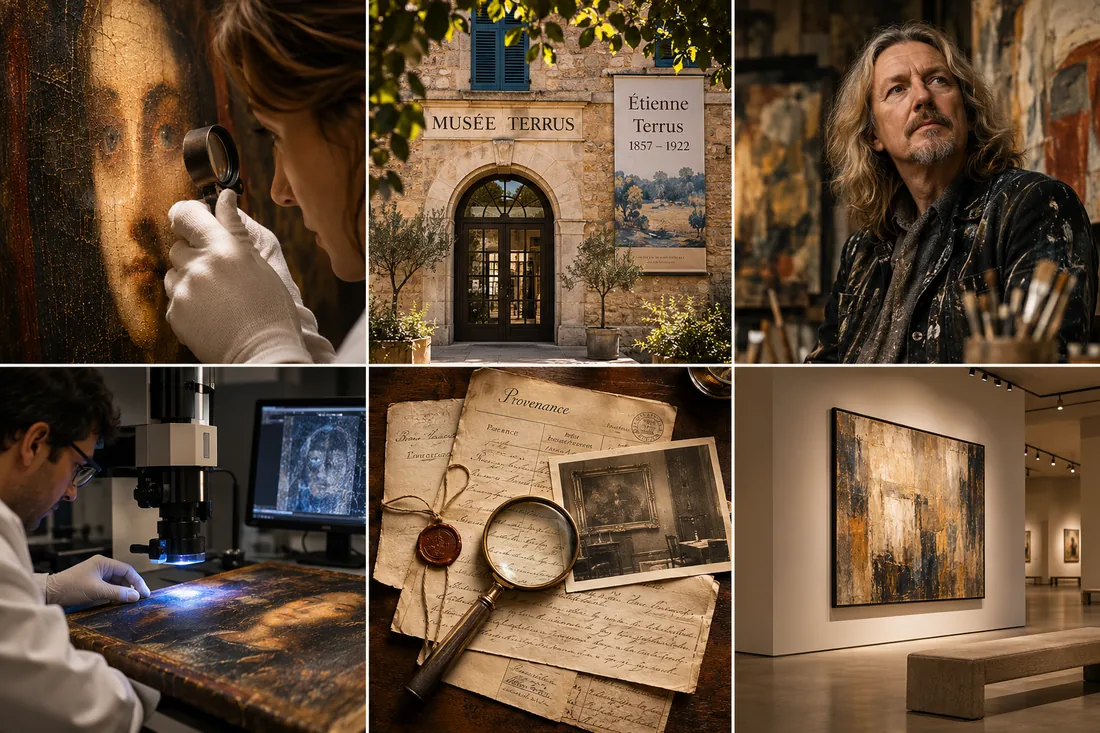
Perhaps the greatest lesson of art forgery is that collecting should never be reduced to the pursuit of famous names.
An unfamiliar artist's original work can offer a far more meaningful connection than a painting accompanied by a glamorous but unreliable history.
There is value in discovering emerging voices, supporting contemporary practice, and building relationships with the people behind the work.
When an artwork is acquired directly from its creator or through a knowledgeable gallery, collectors may have opportunities to learn about its development, materials, intention, and background.
Such connections can form the beginning of a documented history that remains valuable long after the purchase itself.
At Studio Seraai, we believe the experience of art extends beyond the walls on which it hangs. An artwork becomes part of a space, a conversation, and eventually a personal history.
Understanding what we collect is part of appreciating why it matters.
The goal is not to approach every painting with distrust. It is to collect with curiosity, discernment, and respect for the creative process.
The Beauty of Knowing What Is Real
Art has always invited us to question what we see.
It can create illusions, challenge perception, and blur the boundaries between imagination and reality.
But in the art market, the identity of a work matters.
The history behind a painting should be as thoughtfully considered as the beauty on its surface.
Authenticity is not merely a commercial designation. It connects an object to its maker, its time, and the journey that brought it into our lives.
And while a forgery may imitate the appearance of a masterpiece, it cannot recreate the original act of creation.
Because the true value of art is not simply in what we see, but in understanding what we are looking at.
— Studio Seraai Journal
A Gallery Where Walls Breathe Art.Illustrative imagery in this feature is conceptual and should not be understood as evidence of a particular artwork, individual or historical event.